Stránka nepodporuje váš prohlížeč. Aktualizujte prosím svůj prohlížeč nebo si stáhněte jiný


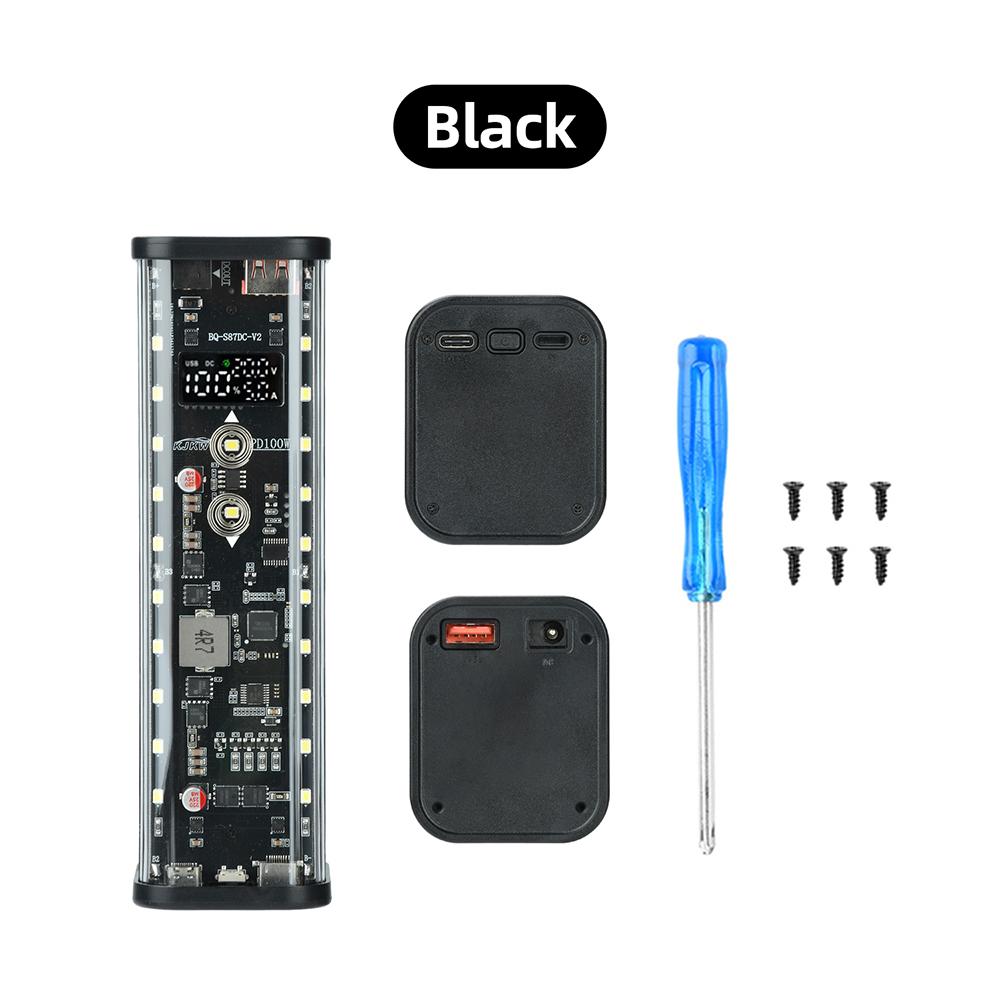


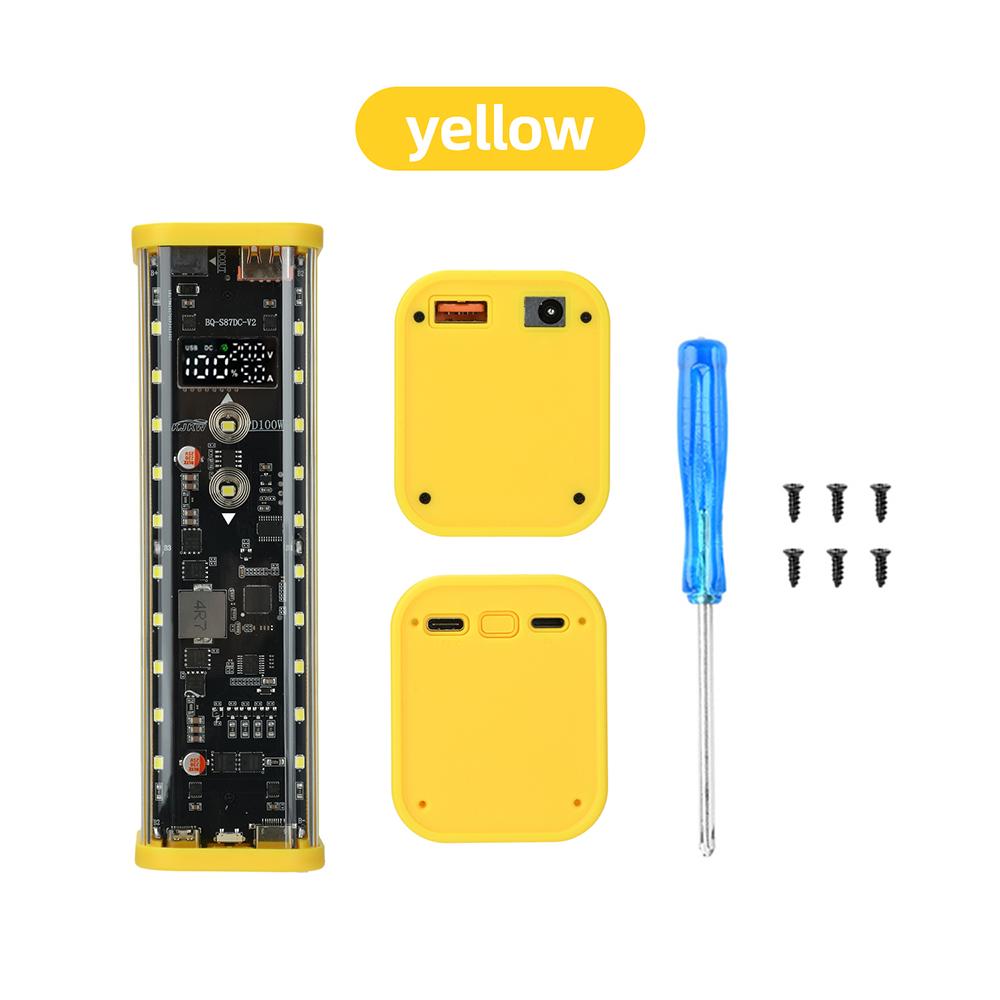
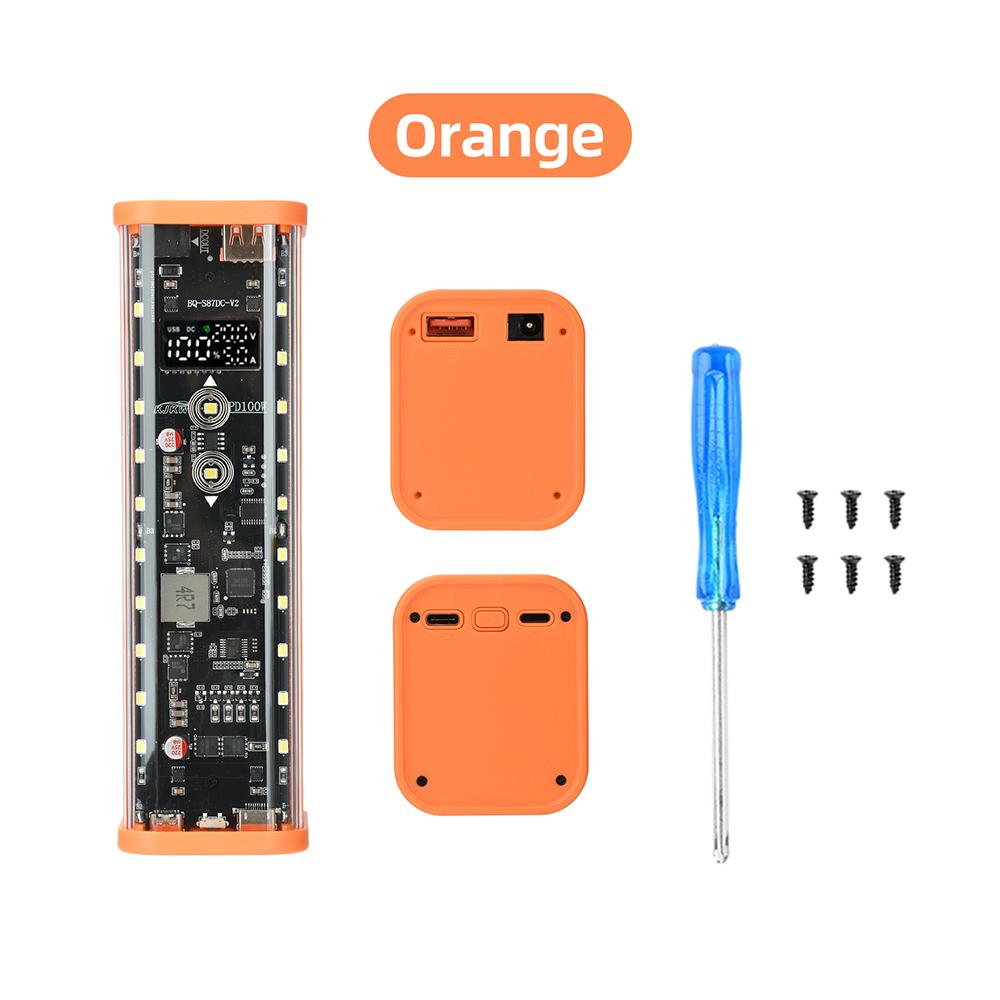
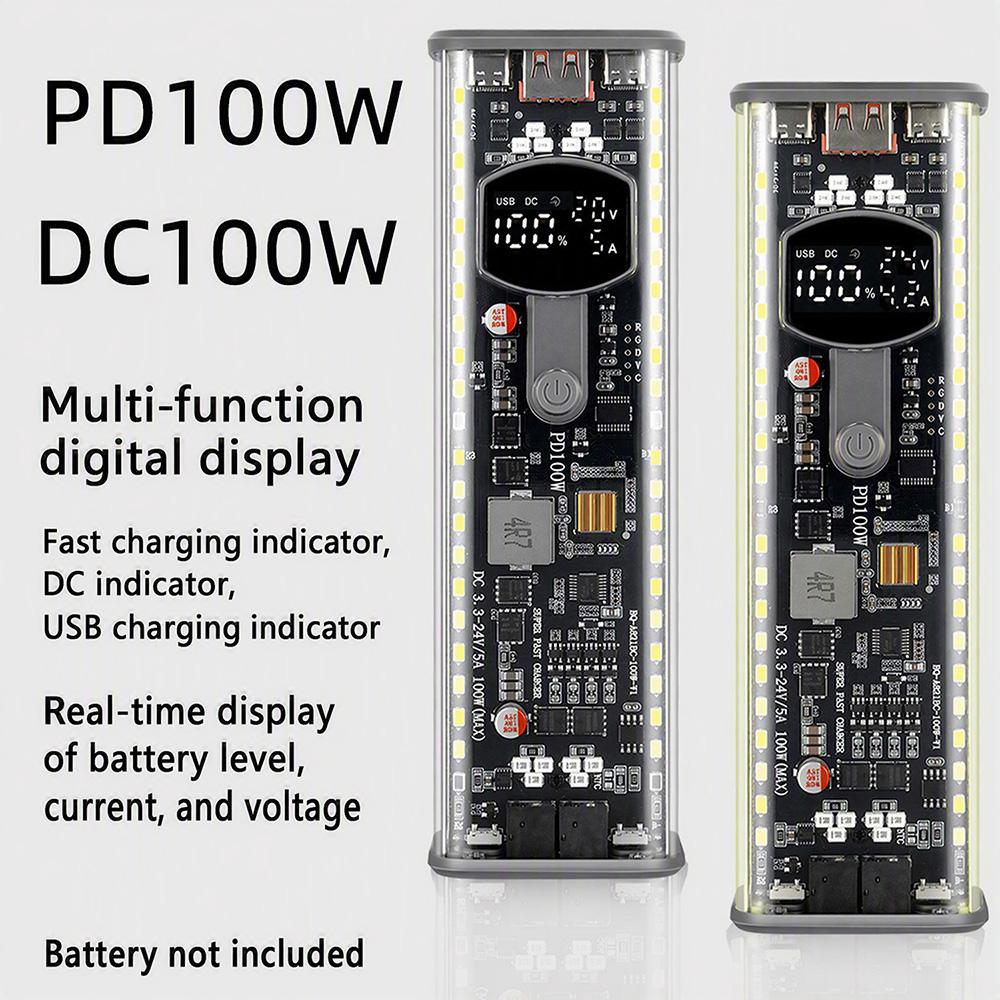
PD 100W Super Fast Charging Power Bank Case 8-Cell 21700 Battery Holder for Mobile Phone Power Supply High-Brightness LED Light
Aktuální cena
Od Cena 1 336 KčNačítání...
Načítání...
Načítání...
Načítání...
Načítání...
Načítání...
Načítání...
Načítání...
Načítání...
Načítání...
Načítání...
Načítání...
Načítání...
Načítání...
Načítání...
- 35cm Plyšáci svalnatý žralok Plněné oceánské velryby ryby Plyšová zvířátka Měkké plyšové panenky Dárky k narozeninám pro děti Valentýn
- Women Plus Size Loose Off Shoulder Short Sleeve Top Teal Black Gold Marble Print
- Display Desktop Thermometers Digital Hygrometer Temperature Humidity Gauge With Time Alarm Clock For Home Baby Room
- Men S Casual Mesh Sneakers Breathable Anti Slip Lightweight Running Shoes
- Retro Radiation Warning Symbol Art Non‑Slip Rubber Mouse Pad Smooth Desk Mat For Precise Mouse Control Gaming Laptop Sessions
- Polo Ralph Lauren logo-embroidered hoodie 710981374-001
- Soviet Naval Infantry Commander Building Blocks Model Bricks mini Action toy Figures Toy gift for children MOC
- The War on Drugs I Don't Live Here Anymore Seznam skladeb Tričko S -5XL OM1922
- Baby Stroller Sunshade Cover UV Blocking Stroller Cover Universal Baby Stroller AccessoryBlack 85 x 67cm
- Motorcycle Fleet A-Aprilia Bedding Set Duvet Cover Pillowcase for Kids boygirls Twin Full Queen Size Home Textiles Room gifts

Doručení zdarma: do USA
5. říjen

Bezpečné platby a ochrana údajů


 Vrácení peněz při nedoručeníZáruka kvalityBezpečná logistikaOchrana soukromí
Popis


Často kladené dotazy
- Jaké platební metody Joom podporuje?Joom podporuje širokou škálu místních a mezinárodních způsobů platby pro evropské zákazníky, včetně debetních a kreditních karet (Visa, Mastercard, Maestro), PayPal, Apple Pay a Google Pay, a také oblíbené služby jako Klarna, BLIK, Multibanco, MB WAY, SEPA a Giropay. Dostupné možnosti se liší se podle země dodání.
- Můžu dražší nákup zaplatit později nebo na splátky?Ano, odložené platby a nákupy na splátky jsou dostupné pro některé nákupy s vyšší hodnotou prostřednictvím služeb jako Klarna a Scalapay, v závislosti na vaší zemi, výši objednávky a podmínkách poskytovatele.
- Můžu sledovat průběh doručení své objednávky?Ano, stav zásilky můžete pohodlně sledovat přímo v aplikaci Joom nebo na našem webu. Informace o poloze balíku se během přepravy průběžně aktualizují.
- Co se stane, když mi objednávka nedorazí?Na každou objednávku se vztahuje garance doručení Joom. Pokud objednávka nedorazí do data garance uvedeného v detailu objednávky, kontaktujte podporu Joom a vrátíme vám peníze.
- Je platba přes Joom bezpečná?Ano. Joom používá zabezpečený platební systém a prodejce dostane peníze až poté, co objednávku obdržíte. Vaše peníze jsou tak v bezpečí.
- Co když mi objednávka nedorazí, nebo zboží neodpovídá očekávání?Pokud vám zásilka nebyla doručena, dorazila poškozená, nebo neodpovídá popisu, kontaktujte naši podporu. Vrátíme vám peníze.
- Jak můžu požádat o vrácení peněz?Vrácení peněz je rychlé a snadné. Stačí přejít na svou objednávku v aplikaci nebo na webu Joom, otevřít chat podpory a popsat, co se stalo. Náš tým se vám co nejdříve ozve s řešením.
Podobné produkty


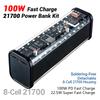
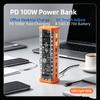

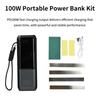

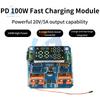
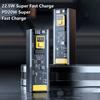


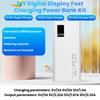
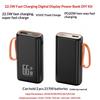


PD 100W Super Fast Charging Power Bank Case 8-Cell 21700 Battery Holder for Mobile Phone Power Supply High-Brightness LED Light — koupit online v obchodě na marketplace Joom
Dostupné barvy:
Kvalitní materiály:
Velký výběr velikostí:
Slevy až 70 %!
Recenze na podobné produkty
Doručení po celé Evropě, SNS, Izraeli a Austrálii
Mezinárodní sortiment
Vrácení peněz za objednávky splňující podmínky a zákaznická podpora 24/7
Sleva na první nákup pro nové zákazníky